
Preaching on Easter: A Pastor's Complete Guide
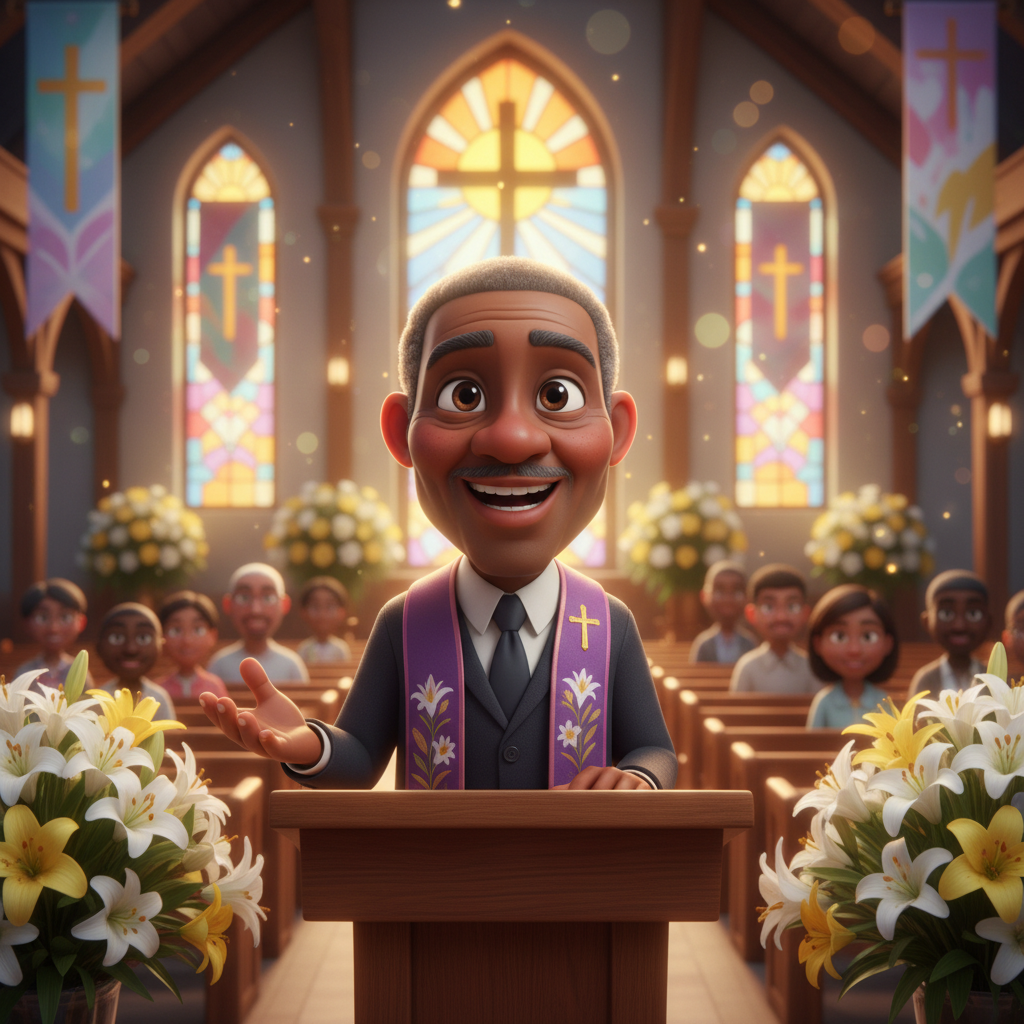
Easter Sunday demands more of you than any other sermon you'll preach this year. The sanctuary will overflow with faces you've never seen—and may never see again. Your words will reach hearts that haven't heard the gospel in twelve months. The resurrection message you proclaim carries eternal weight.
Most Easter preaching resources offer the same recycled tips: be celebratory, tell the story well, make an invitation. But they miss something crucial—a 1,600-year-old sermon that remains the gold standard for resurrection proclamation. St. John Chrysostom's Paschal Homily, preached every Easter in Orthodox churches worldwide, reveals timeless principles that modern pastors rarely discover.
This guide walks you through every phase of Easter sermon preparation, from theological grounding to delivery techniques, drawing on both ancient wisdom and contemporary best practices.
Why Easter Preaching Matters: The Highest-Stakes Sermon of the Year
Easter Sunday represents your single greatest evangelistic opportunity of the entire year. Attendance typically doubles or triples, with many visitors coming only on this day and Christmas. These aren't casual drop-ins—they're spiritually curious individuals who chose your church for a reason.
The Apostle Paul made the stakes unmistakably clear: "If Christ has not been raised, your faith is futile" (1 Corinthians 15:14). Every other doctrine you preach rests on the foundation of the empty tomb. Get Easter wrong, and nothing else matters. Get it right, and lives transform.
The pressure pastors feel is real and valid. You're preaching to your largest crowd while exhausted from Holy Week responsibilities. First-time visitors will form lasting impressions of your church—and of Christianity itself—based on this single morning. The grieving will wonder if there's hope beyond the grave. The skeptical will evaluate whether you're credible.
This pressure demands intentional preparation that begins weeks before Easter arrives. You cannot wing this sermon. You cannot repurpose last year's message with minor edits. Your congregation—both the faithful regulars and the searching visitors—deserves your absolute best effort.
✓ Key Takeaways: Why Easter Preaching Demands Your Best
- Highest attendance: Expect 2-3x your normal crowd, including many first-time visitors
- Cornerstone of faith: The resurrection is Christianity's foundational claim—everything depends on it
- Evangelistic window: Many attendees are spiritually open and making eternal decisions
- Formation opportunity: Regular members need annual re-grounding in resurrection hope
- Preparation essential: Holy Week busyness requires planning 4-6 weeks ahead
📑 In This Guide
- Why Easter Preaching Matters: The Highest-Stakes Sermon of the Year
- The Ancient Foundation: St. John Chrysostom's Paschal Homily
- Core Theological Themes for Easter Preaching
- Essential Scripture Passages for Easter Sermons
- Reaching Every Listener: Audience Considerations
- Delivering Your Easter Sermon with Impact
- Common Easter Preaching Mistakes to Avoid
The Ancient Foundation: St. John Chrysostom's Paschal Homily
The most influential Easter sermon ever preached isn't found in any modern preaching resource—yet it has been proclaimed every Pascha for over sixteen centuries. St. John Chrysostom's Paschal Homily, written around 400 AD, remains the definitive model for resurrection proclamation that contemporary pastors inexplicably overlook.
John Chrysostom—whose name means "Golden Mouth"—served as Archbishop of Constantinople and became the most celebrated preacher in early church history. His Easter sermon endures not because of historical accident but because it perfectly captures what resurrection proclamation should accomplish.
The Paschal Homily is remarkably brief—under 600 words in most translations. Yet within that economy, Chrysostom achieves what many contemporary preachers struggle to accomplish in thirty minutes. He moves from prophetic proclamation to theological depth to universal invitation to triumphant celebration, all without a single wasted phrase.
Consider the homily's characteristics that make it a masterclass for modern preachers:
Brevity with depth. Chrysostom wastes no words on introductions or anecdotes. He plunges immediately into proclamation: "Let no one fear death, for the death of our Savior has set us free." Every sentence carries theological weight while remaining accessible to any listener.
Universal invitation. The homily extends the resurrection's benefits to everyone—those who fasted faithfully and those who neglected it, those who labored from the first hour and those who came at the eleventh. No one is excluded from Easter's invitation.
Triumphant tone. Death is not merely defeated but mocked. Hell is not simply overcome but despoiled. The homily's famous passage—"Let no one fear death, for the death of our Savior has set us free. He has destroyed death by enduring it"—captures resurrection confidence that electrifies listeners.
Christ-centered focus. Chrysostom mentions no programs, no announcements, no church initiatives. The risen Christ alone occupies center stage from first word to last.
Modern preachers should study this ancient text before writing their Easter sermons. Multiple English translations are freely available online, including versions adapted for contemporary liturgical use. For a deeper dive into how to integrate these profound lessons into your message, explore key theological themes from the Paschal Homily to include in your Easter sermon, ensuring your preaching resonates with timeless truths. You can also discover how to further enrich your message by using historical Easter homilies as sermon illustrations and inspiration, providing powerful examples for your congregants. Whether you preach for fifteen minutes or forty-five, the Paschal Homily's principles will sharpen your proclamation.
Core Theological Themes for Easter Preaching
The bodily resurrection of Jesus Christ is a historical event with cosmic theological implications. Your Easter sermon must communicate both realities—this actually happened, and because it happened, everything changes.
The physical, bodily nature of the resurrection requires clear emphasis. Jesus didn't rise as a spirit or ghost or pleasant memory. The tomb was empty. He ate fish with his disciples. Thomas touched his wounds. The resurrection is not metaphor or mythology—it's flesh and bone defeating death.
Victory over death, sin, and the grave forms the triumphant heart of your message. Easter isn't primarily about spring flowers or renewal themes—it's about an executed criminal walking out of his tomb because death couldn't hold him. The enemy that haunts every human existence has been decisively defeated.
This victory creates invitation to new life. Paul connects resurrection directly to transformation: "We were therefore buried with him through baptism into death in order that, just as Christ was raised from the dead through the glory of the Father, we too may live a new life" (Romans 6:4). The same power that raised Jesus operates in everyone who trusts him.
Hope and eternal life represent the promise that comforts grieving hearts and emboldens fearful ones. Death is not the final word. The g
[... middle content omitted for processing ...] n. What happened to Jesus will happen to all who belong to him.
Balance theological depth with accessible proclamation. Your congregation includes theologians who could teach seminary courses and visitors who've never opened a Bible. Speak profoundly without speaking inaccessibly. The early church fathers modeled this beautifully—Chrysostom's Paschal Homily contains sophisticated theology that any listener can grasp.
Essential Scripture Passages for Easter Sermons
Matthew 28, Mark 16, Luke 24, and John 20 provide four distinct perspectives on resurrection morning, each with unique details and emphases. Matthew highlights the earthquake and terrified guards. Mark captures the women's fear and amazement. Luke includes the road to Emmaus encounter. John focuses on Mary Magdalene and the beloved disciple.
Choosing which Gospel acc
[... middle content omitted for processing ...] phrases. Let the text surprise you again.
Reaching Every Listener: Audience Considerations
Your Easter audience includes four distinct groups requiring different approaches. Recognizing these groups—and speaking to all of them—separates excellent Easter preaching from adequate Easter preaching.
Regular attenders form your faithful core. They need the annual re-grounding in resurrection hope that sustains their discipleship. Don't assume familiarity means they don't need the message—they need it proclaimed with fresh power.
Christmas-and-Easter attendees maintain nominal church connection. They know the basic story but haven't engaged deeply. They need invitation to move beyond cultural Christianity into genuine faith.
Seekers are spiritually curious individuals checking out your church. They may know little about Christianity and arrive with genuine questions. They need clear explanation without condescension.
Skeptics attend with doubts or objections—perhaps dragged by family members or curious despite reservations. They need intellectual respect and honest engagement with the resurrection's historical claims.
Avoid insider language without dumbing down theology. Terms like "sanctification," "atonement," or even "gospel" may confuse visitors. But you can communicate profound theology in accessible language. Jesus himself used everyday images—seeds, sheep, bread, water—to convey eternal truths.
Speak specifically to the grieving. Easter is painful for those who've lost loved ones. Their empty chair matters more than your full sanctuary. Acknowledge grief before proclaiming hope, or your message will feel tone-deaf.
Speak to the doubting without dismissing doubt. Thomas doubted—and Jesus didn't reject him. Create space for honest questions while pointing toward resurrection evidence and experience.
Create clear next steps for different spiritual stages. New believers need discipleship pathways. Seekers need opportunities to explore further. Long-time members need fresh engagement. One generic invitation serves no one well.
Delivering Your Easter Sermon with Impact
The resurrection demands a tone that balances reverence, joy, and urgency. This isn't a funeral—it's a victory celebration. But it's not casual celebration—it's holy triumph over humanity's greatest enemy. Strike this balance, and your delivery will match your message.
Pacing and energy should build throughout the sermon toward resurrection proclamation. Start with appropriate solemnity—the tomb was sealed, the disciples scattered, hope seemed dead. Build toward the angel's announcement. Reach full celebration as you declare, "He is risen!"
Use pauses and emphasis strategically for key declarations. The sentence "Christ is risen from the dead" deserves space around it. Pause before. Let it land. Pause after. Don't rush past the central truth to make your next point.
Managing nerves with your largest crowd requires preparation and perspective. You've studied deeply. You've practiced thoroughly. You're not performing—you're proclaiming. Focus on the message, not yourself. Remember that the Spirit works through inadequate messengers.
Practice for confidence without losing authenticity. Know your material well enough that you can maintain eye contact, respond to the room, and speak with natural passion. But don't practice so rigidly that spontaneity disappears. Leave room for the Spirit's prompting in the moment.
Your posture matters more than you think. Stand with confidence—not arrogance, but the quiet assurance of someone announcing good news they know is true. Let your body language communicate resurrection victory.
It's also important to consider how the liturgical structure of traditional Easter preaching vs modern sermon formats can inform your delivery, helping you choose the most effective way to frame your message for your specific context.
Common Easter Preaching Mistakes to Avoid
Assuming everyone knows the story leads to sermons that don't actually tell it. Many Easter visitors have minimal biblical knowledge. They don't know who found the empty tomb or what they found there. Tell the story clearly before interpreting it.
Overloading with too many points or passages overwhelms listeners and dilutes impact. Better to make one point powerfully than five points superficially. The resurrection is sufficient subject matter—you don't need to address every Christian doctrine in one sermon.
Neglecting the invitation or next steps wastes your greatest evangelistic opportunity. After proclaiming the risen Christ, invite response. What should listeners do with what they've heard? How can they receive this life? Be specific and clear.
Skipping personal preparation amid Holy Week busyness depletes spiritual reserves needed for powerful proclamation. You cannot pour out what you haven't taken in. Protect time for prayer, Scripture meditation, and spiritual renewal even during your busiest week.
Forgetting to connect resurrection to daily life transformation leaves the message abstract. Listeners need to understand that the resurrection isn't just a historical event or future hope—it's present power for present struggles.
✓ Quick Reference: Easter Preaching Checklist
- ✓ Begin preparation 4-6 weeks early to avoid Holy Week panic
- ✓ Study the Paschal Homily as a model for triumphant proclamation
- ✓ Choose one primary Scripture passage and explore it deeply
- ✓ Tell the resurrection story clearly—don't assume knowledge
- ✓ Balance theological depth with accessible language
- ✓ Speak to all audience types: regulars, visitors, seekers, skeptics
- ✓ Include specific invitation and next steps
- ✓ Practice delivery until confident but not rigid
- ✓ Connect resurrection to daily life transformation
- ✓ Protect personal spiritual preparation time during Holy Week
Your Easter sermon carries weight that no other message this year will match. The preparation is demanding. The stakes are high. The opportunity is unprecedented.
But you don't preach alone. The same Spirit who raised Jesus from the dead empowers your proclamation. The same resurrection message that transformed the ancient world transforms listeners today. You stand in a long line of preachers stretching back through Chrysostom to Peter himself on the day of Pentecost.
Preach the risen Christ with confidence. He is risen indeed.
Ready to write your next sermon with confidence?
Verble's AI Sermon Companion is built for pastors who want a thoughtful brainstorming partner — not a sermon ghostwriter.
Try Verble Sermon →
Your AI companion for speech preparation. Verble helps you bring clarity to your message, from first idea to final delivery.

Please provide your detail and subscribe to our monthly updates. We will never spam.
Free to use for all Verble-Sermon users. Download the app, log in and get started.

